


Winter Camping Necessities: How We Stay Comfortable (Even in Freezing Temperatures)
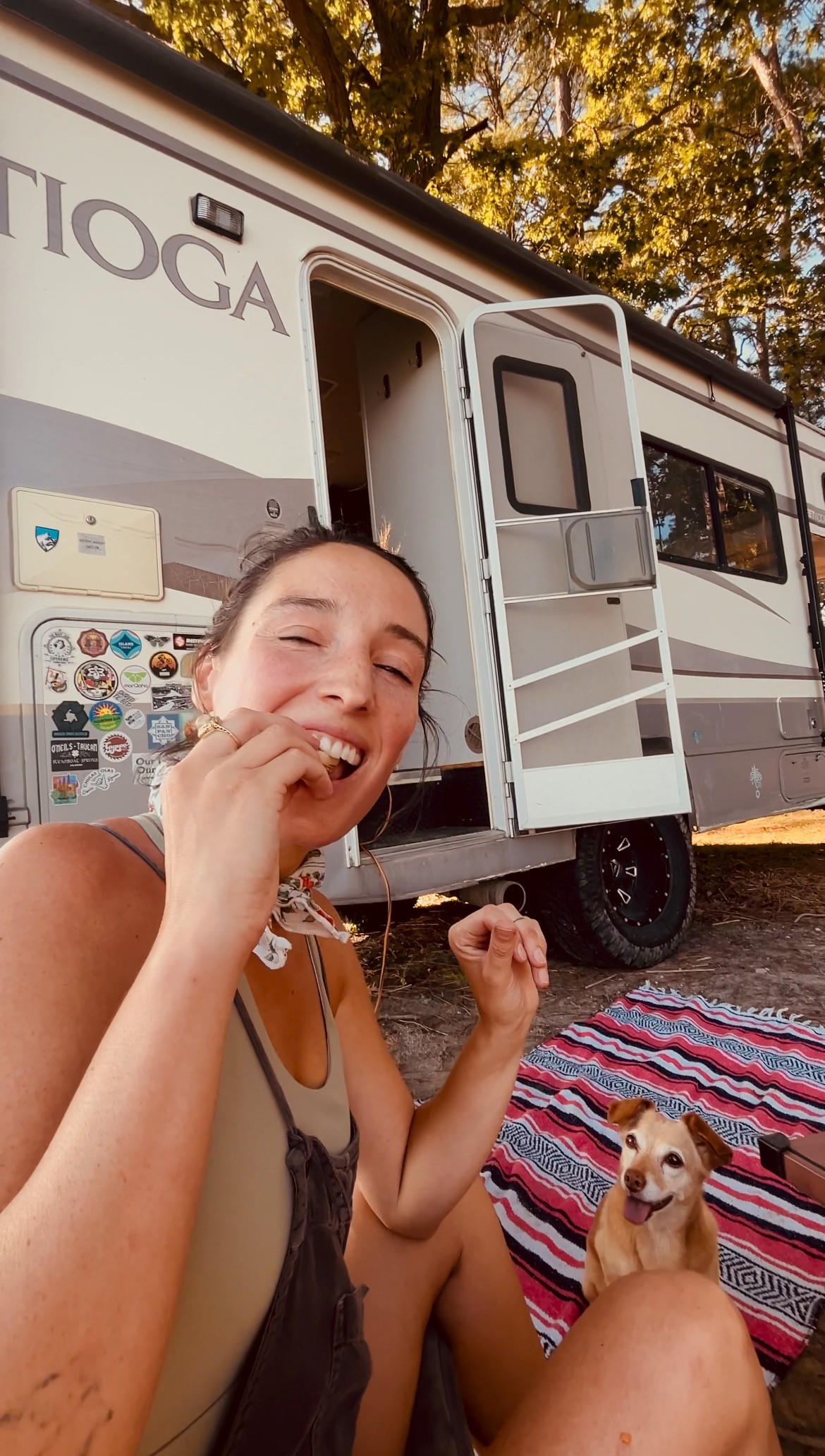
Are we crazy for camping in Colorado in February?
Maybe.
But with this unusual warmth this year, not freezing our buttes off feels like a rare gift.
Our first trip of the year always comes with that quiet little spiral: Did we pack everything? Do we even remember how to do this?
Over time we’ve learned something important: winter camping isn’t about dragging every piece of gear you own. It’s about choosing the right gear. High quality. Purposeful. Comfortable. Lightweight. Durable.
After plenty of trial and error, conversations with other winter campers, and deep dives into gear threads and guides, here’s what we actually bring, and what seasoned winter campers consistently recommend.

Shelter & Sleep System
If summer camping is about breezes and shade, winter camping is about insulation and protection.
Shelter
Whether you’re using a four-season tent, a well-insulated rooftop tent, or a solid three-season tent with smart modifications, blocking wind and preserving heat is priority number one.
Even experienced winter campers will tell you that proper setup matters just as much as the tent rating. Use natural wind barriers, stake everything securely, and make sure your rainfly is tight and sealed.
We personally love using a rooftop tent that is 4 season rated. We use Free Spirit Recreation because they are a Colorado company that understands harsh and ever changing mountain conditions. So far we have been pretty cozy in all conditions in this thing!

Sleeping Bags (Rated Lower Than You Think)
Choose a sleeping bag rated lower than the coldest temperatures you expect. If you expect 20°F nights, bring something rated closer to 0°F. Ratings are often “survival,” not “comfort.”
We bring lots of extra blankets as well, down comforters on top and bottom seem to really help as well as thick wool blankets.
Sleeping Pads (The Real MVP)
Heat escapes into frozen ground faster than into the air. That’s why your sleeping pad matters just as much as your bag.
Look for:
Consider doubling up pads in very cold temps
Many experienced winter campers use two pads for extra insulation.
Extra Insulation
Insulated quilts layered over your bag
Extra blankets (so many blankets)
Layering your sleep system works just like layering your clothing.
Dry Sleep Clothes Rule
Change into completely dry base layers before getting into your sleeping bag. Even slightly damp clothing will pull heat away from your body overnight. I always recommend natural fibers like merino wool or alpaca - for socks too!
Camp Booties or Slippers
Insulated hut booties are wildly underrated. Slipping into warm footwear at camp after removing boots instantly raises morale.

Clothing & Layering: The Non-Negotiables
If there’s one universal winter camping rule: stay dry.
The Layering Formula
Moisture-wicking base layers (merino or alpaca preferable IMO)
Insulating mid-layers (fleece or down)
Windproof, waterproof outer shell
We often will wear our ski gear and/or insulated carharrts work really well.
Avoid cotton entirely. Cotton traps moisture and pulls warmth away from your body.
If you exert yourself hiking or moving around during the day (AKA get sweaty), its definitely a good idea to change into dry clothing.
Extra Base Layers
Bring multiple sets so you can:
Change after hiking or sweating
Have a dry pair dedicated for sleeping
Warm Accessories
Insulated boots that won’t freeze overnight (We love Bogs, they are the warmest and most waterproof we have found)
Gloves (bring extras) / Mittens (Mittens are warmer, but gloves make it easier to do things)
Warm hat
Gaiters to keep snow out of boots
Hand and Foot Warmers
Chemical or rechargeable hand warmers are small, cheap, and surprisingly effective when you’re sitting around camp. We love the classic brand HotHands.

Footwear & Traction
Winter terrain can shift from mud to ice to snow within one campsite.
Consider:
Microspikes or traction devices
Snowshoes if you expect deeper snow
Waterproof boots
Lightweight gaiters
Moving confidently around camp keeps winter fun instead of frustrating.
Cooking, Hydration & Warmth
Food and drinks do more than fuel you in winter. They stabilize mood and body temperature.
Cold-Weather Stove
Not all stoves perform well in freezing temps. Some canister stoves lose pressure in the cold.
Look for:
Cold-weather compatible systems
Wind protection
Extra fuel (always bring more than you think)
Hot Water Trick
Many winter campers fill a durable bottle with boiling water, insulate it, and tuck it into their sleeping bag before bed. It acts like a portable heater.
Use bottles designed for heat. Avoid fragile containers that could leak.
Hydration Matters
Cold air suppresses thirst, but dehydration makes you colder.
Keep water accessible
Use insulated bottles
Store bottles upside down in snow so the lid doesn’t freeze first
Hot Drinks
Thermoses are game-changers. Warm tea, coffee, broth, or hot toddies go a long way on long winter nights.
Outdoor Living Space
Comfort extends beyond the tent.
A sturdy folding table keeps meal prep organized instead of chaotic. It gives you a clean, stable surface for cooking, eating, and playing cards.
Comfortable chairs make cold evenings far more enjoyable. If fires aren’t possible due to dry conditions, insulated or heated seating can make a noticeable difference in how long you actually stay outside.
When your campsite feels like a functional outdoor living room instead of a wind tunnel, winter camping becomes sustainable.
Small but Mighty Essentials
These are the pieces people forget — and regret.
Headlamps + spare batteries (winter nights are long)
Sunglasses or goggles (snow glare reflects UV)
Chapstick and lotion (dry cold air is unforgiving)
First aid kit
Trash bags or stuff sacks (separate wet and dry gear)
Extra blankets
Insulated mugs
Games, books, or cards for long evenings
Little comforts stack up fast in cold weather.
Gear Care & Preparation
Winter gear works hard. Treat it well.
Dry tents and sleeping bags completely before storage
Clean gear before packing it away
Store insulation uncompressed
If you’re unsure whether winter camping is for you, consider renting gear before investing in expensive items. Testing setups in real conditions is often more valuable than endless online research.
The Mindset
Winter camping isn’t about being hardcore.
It’s about being intentional.
With the right sleep system, smart layering, reliable cooking gear, and a few comfort upgrades, the cold becomes atmospheric instead of intimidating.
You wake up to quiet trails. You watch steam rise from your coffee in crisp air. You notice how still the world feels in winter.
Cold air. Quiet mornings. Fewer crowds. Warm drinks.
That’s winter camping done right.


Comments