


3‑Day Off‑Grid Camping Trip With Kids: Complete Packing List (No Hookups Needed)
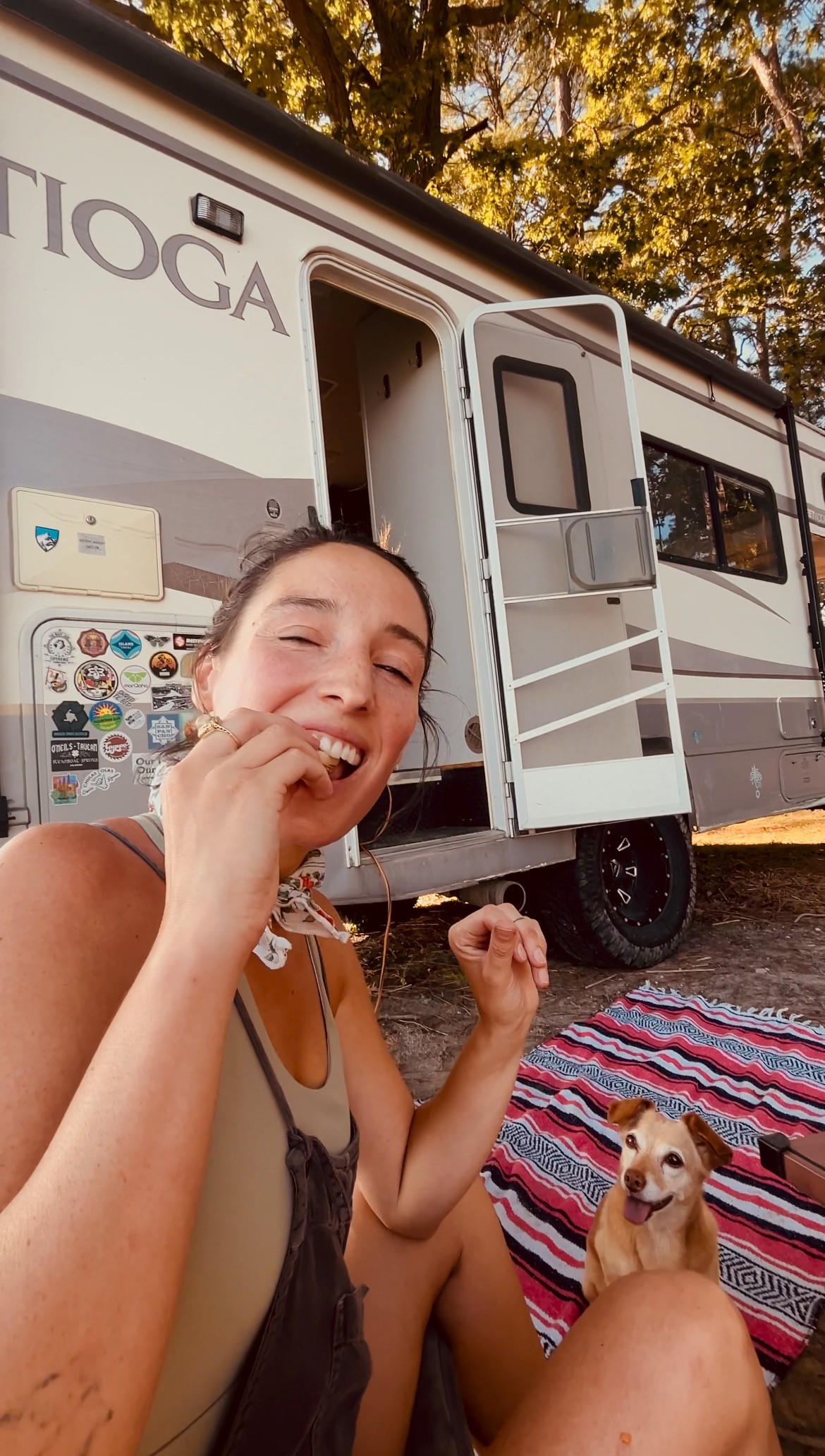
We’ve been taking our daughter off‑grid camping for just about as long as she’s been alive. From tent camping and rooftop tents to RVs and vanlife, we’ve hauled her through remote British Columbia, all the way down Baja and onto the ferry to mainland Mexico, almost always without hookups.

I wanted her to grow up loving camping and wild places, to build epic family memories, and, honestly, to keep doing what we loved long before we became parents. The funny thing is that camping with kids isn’t that different from camping before kids when it comes to gear. The big difference is how prepared you are.
In this post I’m sharing our complete 3‑day off‑grid family camping packing list, based on years of real‑world trial and error, so you can skip the guesswork and just enjoy being outside together. Whether you’re heading out for your very first no‑hookups weekend or leveling up from a campground with full hookups, this list will walk you through exactly what to bring (and what you can leave at home).
What “off‑grid” really means for families
When I say “off‑grid,” I don’t mean a cute campground with twinkle lights (ok to be fair we bring our won solar poawered twinkle lights!) and a nice camp store. I mean the kinds of places we’ve camped in BC and Baja: no electrical hookups, no water faucet at your site, and no sewer or dump connection. You might have a pit toilet and maybe a hand pump somewhere nearby, but you’re basically on your own.
Most of the time, there’s also limited or no cell service and a decent drive between you and the nearest grocery store. If you forget something important, there’s a good chance you’ll just be doing without it for a few days. That’s totally manageable for a 3‑day trip, especially with kids, as long as you pack like you won’t be able to “just grab it in town later.”
The goal isn’t to bring your entire house, it’s to cover warmth, safety, food, water, and basic comfort. You don’t need a mountain of fancy gear to camp off‑grid as a family, but you do need a solid system and a packing list that actually reflects how you live at camp.

How we think about packing for off‑grid trips
Over the years, we’ve learned that the easiest way to pack for off‑grid trips is by category, not by person. Instead of asking, “Do we have everything for the kid?” we think in chunks:
shelter, cooking, clothing, water, safety, kid comfort, and camp life.
Here’s how we break it down:
Shelter & sleep
Cooking & food
Clothing & layers
Water & hygiene
Safety & navigation
Kids’ comfort & entertainment
Camp life & miscellaneous
We keep most of our gear pre‑packed in bins so we can say yes to a last‑minute trip without starting a packing list from scratch. One bin for kitchen, one for kids’ stuff, one for “camp life and tools” has saved us a lot of stress. Clear bins are especially nice because you can see what’s missing at a glance.
The list below is built around a 3‑day (2–3 night) trip with a 5‑year‑old, but it’s essentially the same system we used when she was younger. The kid items just shift slightly as they grow more independent.

Shelter & sleep: keep everyone warm and rested
We’ve slept in just about everything: a little tent, a rooftop tent, an RV, and a DIY van setup. The constant across all of them is that kids sleep better when they’re warm and cozy, not when you bring the fanciest setup.
Shelter and sleep packing list:
Tent with full rainfly (or rooftop tent / van / RV if that’s your setup) - we are currently rocking the FSR Rooftop tent and its amazing (Kind size bed! Plus it blacks out making bedtime easier).
Footprint or tarp under the tent to protect from moisture and sharp rocks
Stakes and guylines (plus a few extras)
Stake mallet or hammer
Sleeping bags rated at least 10–15 degrees colder than the forecast low. I actually love the family sleeping systems so we can snuggle together.
Sleeping pads or air mattresses for each person
Pillows (camp ones or regular ones from home in a stuff sack)
Extra blanket for kids (for warmth and comfort) The Rumpl puffy blankets are amazing.
Travel crib or bed rail if you have a younger child who still needs containment
Small broom/dustpan or handheld vacuum for tent or RV floor
Tarp or shade shelter if your site is very exposed
A quick tip from our own hard‑earned experience: underestimate the nighttime temperatures. The forecast low might say 45°F, but in a valley or near water it can feel much colder, especially to a small kid who kicked off their sleeping bag. An extra blanket weighs almost nothing in the car and can be the difference between everyone sleeping and everyone shivering.

Cooking & food: simple meals, low stress
Off‑grid cooking doesn’t have to be complicated. You’re not trying to win a camp gourmet contest; you’re trying to keep everyone fed with minimal dishes and minimal meltdowns. We’ve found that a few basic meals we know our kid will eat beat any elaborate recipe.
Cooking and food packing list:
Camp stove (2‑burner or a solid single‑burner) We used the Coleman double burner for years and loved it. Now we have the FSR camp stove thats similar but a bit more compact.
Tin foil is great if you plan on doing some on-fire cooking as well!
Fuel (enough for every meal plus a buffer for wind or cold)
Lighter and waterproof matches
Cookset: 1–2 pots and 1 pan that you know work on your stove. You can always bring your pots from home, but its nice to have a dedicated set so you don't have to unpack.
Cutting board and camp knife with sheath
Cooking utensils: spatula, large spoon, tongs, ladle if you make soup
Eating utensils for everyone plus a couple extra
Reusable plates, bowls, and cups
Biodegradable dish soap (we like Dr. Bronners!), sponge, and a small tub for washing dishes
Dish towel or small microfiber towel
Cooler with block ice or frozen water jugs
Food for 3 days (planned as 3 breakfasts, 3 lunches, 3 dinners, plus snacks)
Shelf‑stable backups (PB&J fixings, instant rice, oatmeal, mac and cheese, ramen)
Coffee/tea setup if you rely on it to function
Trash bags (sturdy ones that are harder for animals to tear)
Zip‑top bags and a few small food containers
Bear‑safe food storage (bear box, canister, or rope/dry bag if required)

To make this extra useful, here’s a simple sample 3‑day meal plan you can adapt:
Breakfasts
Day 1: Instant oatmeal with fruit
Day 2: Pancakes from a shake‑and‑pour mix, plus syrup and sliced fruit
Day 3: Bagels with cream cheese or nut butter, plus yogurt or fruit
Lunches
Day 1: Sandwiches, chips, carrot sticks
Day 2: Quesadillas on the stove with cheese and beans
Day 3: Wraps with deli meat or hummus, plus apples or cucumbers
Dinners
Day 1: Hot dogs or sausages, baked beans, sliced veggies
Day 2: One‑pot pasta with jarred sauce and shredded cheese
Day 3: Foil‑packet potatoes and veggies with sausages or veggie burgers
Do as much chopping and pre‑portioning at home as you can. Pre‑cut veggies, pre‑mixed seasoning, and pre‑marinated meat (if you’re bringing it) save a lot of cleanup and chaos at camp.

Clothing & layers: enough, but not everything
Clothing is where people tend to overpack, and we’ve been guilty of that too. On one of our first long stretches through BC, we packed half our house. By day three we realized we were mostly shuffling bins we never opened. For a 3‑day trip, you really don’t need as much as you think, especially if you plan for layering and quick‑dry items.
Here’s a good baseline for a 5‑year‑old on a 3‑day off‑grid trip:
Per kid:
3–4 shirts (quick‑dry if possible)
2–3 pairs of pants/shorts (convertible ones are great)
1–2 warm layers (fleece or hoodie)
1 insulated or puffy jacket if nights are cool
3–4 pairs of underwear
4–5 pairs of socks (wool or synthetic > cotton)
1 set of pajamas warm enough for the nighttime low
Sun hat or cap
Warm hat (beanie) if it gets chilly at night
Closed‑toe shoes for hikes and camp chores
Sandals or camp shoes
Rain jacket (and rain pants if the forecast looks wet)
One full extra outfit in a separate “just in case” bag
For adults, you can get away with slightly less: 2–3 outfits each, good layers, and extra socks. If something gets dirty, you dust it off and keep going—your kid is the one who really needs the backup clothes.

Water & hygiene with no hookups
When you don’t have water at your site, you are the water source. That means thinking not just about drinking water, but also cooking, washing dishes, hand‑washing, and putting out your campfire. The general rule of thumb is at least one gallon per person per day, and we like to bring extra, especially with a kid.
Water and hygiene packing list:
Drinking water: minimum 1 gallon per person per day (more in hot weather)
Extra 1–2 gallons for washing dishes and putting out fires
Water jug (we have this one) with a spigot for hand‑washing and dish water
Refillable water bottles for everyone
Hand soap and hand sanitizer
Toothbrushes and toothpaste
Biodegradable wipes
Quick‑dry camp towels or small microfiber towels
Saline or wound wash for minor scrapes
Small toiletry kit (deodorant, contacts, etc.)
Toilet paper in a dry bag (even if there are pit toilets)
Trowel and waste bags if you’re truly dispersed with no toilet
Menstrual products if needed
If you’re camping near a natural water source and you have a filter you trust, you can top up your washing water and reserve your carried water for drinking and cooking. Just make sure you understand local regulations, Leave No Trace principles, and how to safely treat water before you drink it.

Safety & navigation: your “just in case” kit
We’ve spent a lot of time in places where help isn’t five minutes away. That doesn’t mean you need a survivalist bunker of gear, but it does mean you should be able to handle the most common issues on your own: minor injuries, getting turned around on a trail, or a dead phone battery.
Safety and navigation packing list:
First‑aid kit with kid‑appropriate supplies
Children’s pain/fever reducer and any daily medications
Band‑aids, antiseptic wipes, gauze, medical tape
Allergy meds and any prescribed emergency meds
Insect repellent that’s safe for kids
Sunscreen (face sticks are great for squirmy kids)
Headlamps for everyone (including your child) plus extra batteries
Lantern for the picnic table or cooking area
Backup flashlight
Map or downloaded offline maps on your phone
Portable power bank and charging cables
Whistles for kids, with clear rules about when to use them
Multi‑tool or small tool kit
Duct tape and paracord (fixes almost anything)
We like to give our child her own small headlamp and whistle. It makes her feel included and more capable, but we also talk through simple rules: the whistle is only for emergencies, and the headlamp doesn’t get shined in eyes or thrown around like a toy.

Kids’ comfort & entertainment: nature + a few extras
One of my favorite memories is our daughter playing for hours on a remote beach in Baja with nothing but a bucket, some shells, and a driftwood “kitchen.” We’d brought a whole bag of toys and barely touched any of them. Nature itself does most of the entertaining; you just need a few simple things to help them settle in.
At 5 years old, kids are usually ready to carry a tiny bit of their own gear, and they love feeling like part of the team.
Kid comfort and entertainment packing list:
Favorite stuffed animal or comfort item for sleep
Small backpack with:
Water bottle
A couple of snacks
Hat and maybe a light jacket
Simple toys:
A ball or frisbee
One or two small vehicles or dolls
Deck of cards or Uno
Nature journal and colored pencils or crayons
Bedtime books
Glow sticks or fairy lights for fun at night
Small nightlight for the tent (or dim string lights)
White‑noise option if they’re used to it (downloaded on your phone and a small speaker)
What we packed when she was younger: when she was a baby/toddler, we swapped the card games and journal for board books and a travel crib, but the rest of the list didn’t change much. The real shift was building our days around naps and early bedtimes instead of long hikes and late campfires.
The key is not to overdo it. A few familiar things make camp feel safe and cozy, but a giant bin of toys just creates clutter and more to pick up. Let the sticks, rocks, streams, and trees do what they do best.

Camp life & miscellaneous gear
This is the category that makes camp feel comfortable instead of chaotic. A few thoughtful items here make a big difference in how enjoyable your trip feels.
Camp life and misc packing list:
Camp chairs for adults (the loveseat is a personal fave)
Camp table if your site doesn’t have one
Firewood (if allowed) and fire starter
Fire gloves or long tongs for handling logs
Small folding saw if you’re allowed to collect downed wood
Rope or clothesline for drying wet clothes or hanging a lantern
Small rug or mat for the tent or van door
Clothesline clips
Extra trash bags
Small broom and dustpan for the campsite
Pocket notebook and pen
ID, permits, reservation info, and passes in a waterproof pouch
We’ve learned that a tiny “welcome mat” outside the tent or van does a lot to keep dirt out. It gives everyone a clear place to take off shoes. It sounds minor, but when you’re out for a few days with a kid, that little bit of order really helps.

What you can skip for a 3‑day trip
The temptation, especially as a parent, is to bring everything “just in case.” Trust me, we’ve been there. On one early trip, we had more gear than a small outfitter shop. By day three we realized we were just moving untouched bins around to get to the things we actually needed.
For a 3‑day off‑grid trip, you can usually skip:
Massive cookware sets (you can cook almost everything with one pot and one pan)
A giant toy collection (a few simple toys plus nature is plenty)
Excess clothing for adults (2–3 outfits each is enough)
Overcomplicated gadgets that need constant charging
Big, bulky décor items—nice to have, but they eat up space fast
The goal is to have a campsite that’s functional and easy to manage, not an outdoor version of your living room. The more stuff you bring, the more time you spend managing stuff instead of exploring, playing, or sitting around the fire.

Reassurance for nervous parents
If you’re nervous about taking your kids off‑grid, I get it. I felt that way before our first long stretch through remote BC. What if she gets cold? What if we forget something important? What if she hates it?
Here’s what we’ve found: once you’ve dialed in your packing system, camping with kids doesn’t feel harder than camping without them, it just feels louder and a lot more fun. There will be dirt, there will be some tears, and something will almost certainly not go according to plan. But those are the moments that turn into stories you tell for years.
You don’t need to be the “perfect” outdoor family to do this. You just need to be prepared enough that you’re not stressed about the basics. After that, you can relax and let the trip unfold.
Quick 3‑day off‑grid camping checklist (copy/screenshot this)
Here’s a compact version you can screenshot or copy into your notes app and customize for your own family:
Shelter & sleep
Tent/rooftop tent/van/RV, stakes, footprint, mallet
Sleeping bags, pads, pillows, extra blanket
Kid’s comfort item, small broom/dustpan, shade tarp (optional)
Cooking & food
Stove, fuel, lighter/matches
Pot, pan, knife, cutting board, utensils
Plates, bowls, cups, mugs
Cooler + ice, food for 3 days, backup snacks
Dish soap, sponge, dish tub, towels
Trash bags, zip‑top bags, food storage, bear‑safe storage if needed
Clothing & layers
3–4 outfits per kid, 2–3 per adult
Warm layers, jackets, pajamas, extra socks
Sun hats, beanies, rain jackets
Hiking shoes and camp shoes/sandals
Water & hygiene
At least 1 gallon/person/day + extra
Water jug with spigot
Water bottles
Toothbrushes, toothpaste, soap, sanitizer, wipes, TP
Towels, toiletries, menstrual products (if needed)
Safety & navigation
First‑aid kit and meds
Sunscreen, bug spray
Headlamps, lantern, extra batteries
Map/offline maps, power bank, cables
Whistles, multi‑tool, duct tape, paracord
Kids’ comfort & entertainment
Stuffed animal, bedtime book
Kid camp chair, small backpack, water bottle, snacks
A couple of simple toys, card game, nature journal
Glow sticks, nightlight or string lights, white noise option
Camp life & misc
Camp chairs, table (if needed)
Firewood, fire starter, fire gloves/tongs
Rope/clothesline, clips, doormat
Small broom, notebook, ID/permits/passes


Comments