


Our Favorite Hack for Finding Unique Overnight RV Stays (That Isn't a Campground)
Updated: Aug 10
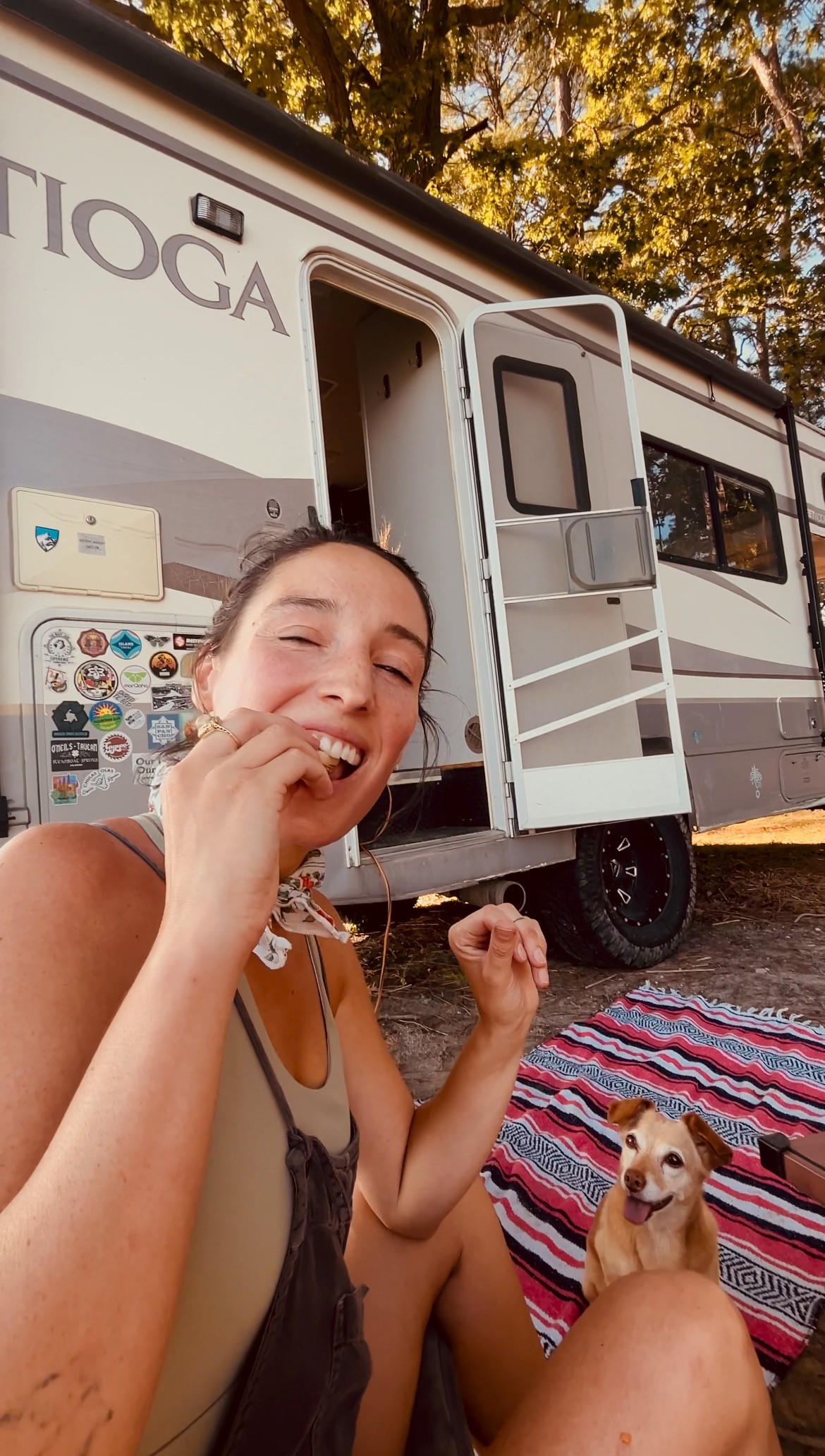
Five years ago, my little brother hit the road full-time in his RV. One of the first things he told me about was Harvest Hosts. He was excited that instead of spending every night in a campground, he could stay overnight at breweries all over the country.
I remember thinking it sounded like such a cool idea, but I didn't think much more about it.
Fast forward a few years, and when we started traveling full-time as a family, we decided to give it a try ourselves.
What I didn't expect was how often we'd actually end up using it.
These days, it's one of our favorite travel hacks for finding unique overnight RV stays.

We Don't Use It Instead of Campgrounds...
One thing I think is important to know is that Harvest Hosts isn't really meant to replace campgrounds.
Most hosts allow one-night stays (sometimes two), there usually aren't hookups, and it's designed for self-contained RVs, camper vans, truck campers, and other enclosed camping rigs.
We use it for those in-between travel days.
If we're driving from Colorado to Montana, we know we'll need somewhere to stop for the night. Instead of paying $100+ for a campground that we'll only use to sleep before getting back on the road, we'd much rather stay at a quiet farm, vineyard, or cidery.
It turns what would have been just another overnight stop into part of the adventure.

The Experiences Have Become Some of Our Favorite Memories
One of our very first Harvest Hosts stays was at a goat farm.
Our daughter absolutely lost it.
She spent the evening feeding goats, running around the property, and talking about them for days afterward. What could have been just another place to park for the night became one of her favorite memories from the trip.
Since then, we've stayed at:
Farms
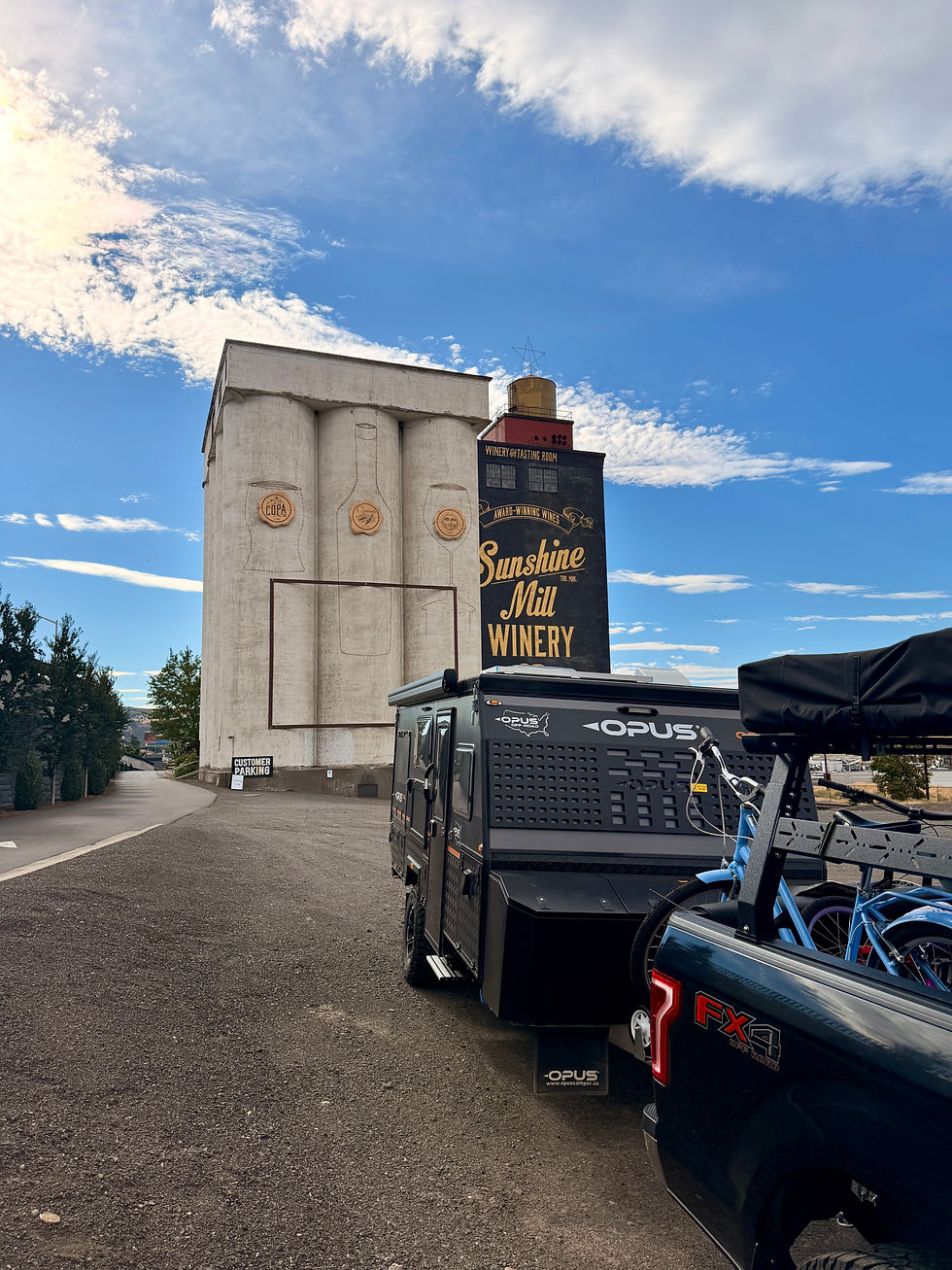
Vineyards
Wineries
Cideries
Golf courses
Museums
Drive-in movie theaters
And honestly, so many more unique places that we've started looking forward to the overnight stops just as much as the destination.
Every stop has been completely different, and we've discovered so many amazing small businesses we never would have found otherwise.
It Saves Us Money, Too
Camping fees can get expensive fast.
It's not unusual to spend $75–$175 for a single night at a campground, especially if you're just passing through.
The Harvest Hosts Basic membership costs us $74.25 for an entire year with our 25% off code (FAMDAM25). That's about what we'd spend on one night—or maybe two if we're lucky—at a traditional campground.
Instead of paying another camping fee, we usually spend that money supporting the host instead.
Maybe we buy fresh eggs, honey, produce, or meat from a farm. Maybe it's a bottle of wine from a vineyard or a cider tasting before settling in for the evening.
I'd much rather spend our travel budget supporting local businesses than paying to park overnight next to the interstate.

Basic vs. Premium: My Honest Opinion
We've actually had both the Premium and Basic Harvest Hosts memberships over the years.
Honestly?
I think the Basic membership is all most people need.
After downgrading, I really don't feel like we're missing out on anything. There are already so many hosts included that we'll probably never visit them all.
If you're thinking about trying it, I'd start with the Basic membership. You can always upgrade later, but for the way we travel, Basic has been perfect.

Is Harvest Hosts Worth It?
For us, absolutely.
Not because it's a replacement for campgrounds—but because it's made those one-night travel stops something we actually look forward to.
Instead of another forgettable overnight in a crowded RV park, we've watched sunsets over vineyards, wandered through lavender farms, met friendly farmers, bought fresh eggs for breakfast, and watched our daughter light up over feeding goats.
Those experiences have become some of our favorite memories from life on the road.
One quick note: Harvest Hosts is designed for self-contained RVs, camper vans, truck campers, and other enclosed camping units. It's not intended for tent camping, and most stays are limited to one night (occasionally two), making it ideal for road trips rather than extended camping.
This isn't a sponsored post—I genuinely wanted to share one of our favorite road trip hacks because it's added so much fun to our travels. If you're an RVer looking for unique overnight stops, I think it's well worth checking out.


Comments