


Rafting Ruby-Horsethief Canyon With Kids: A 3-Day Colorado River Trip Guide
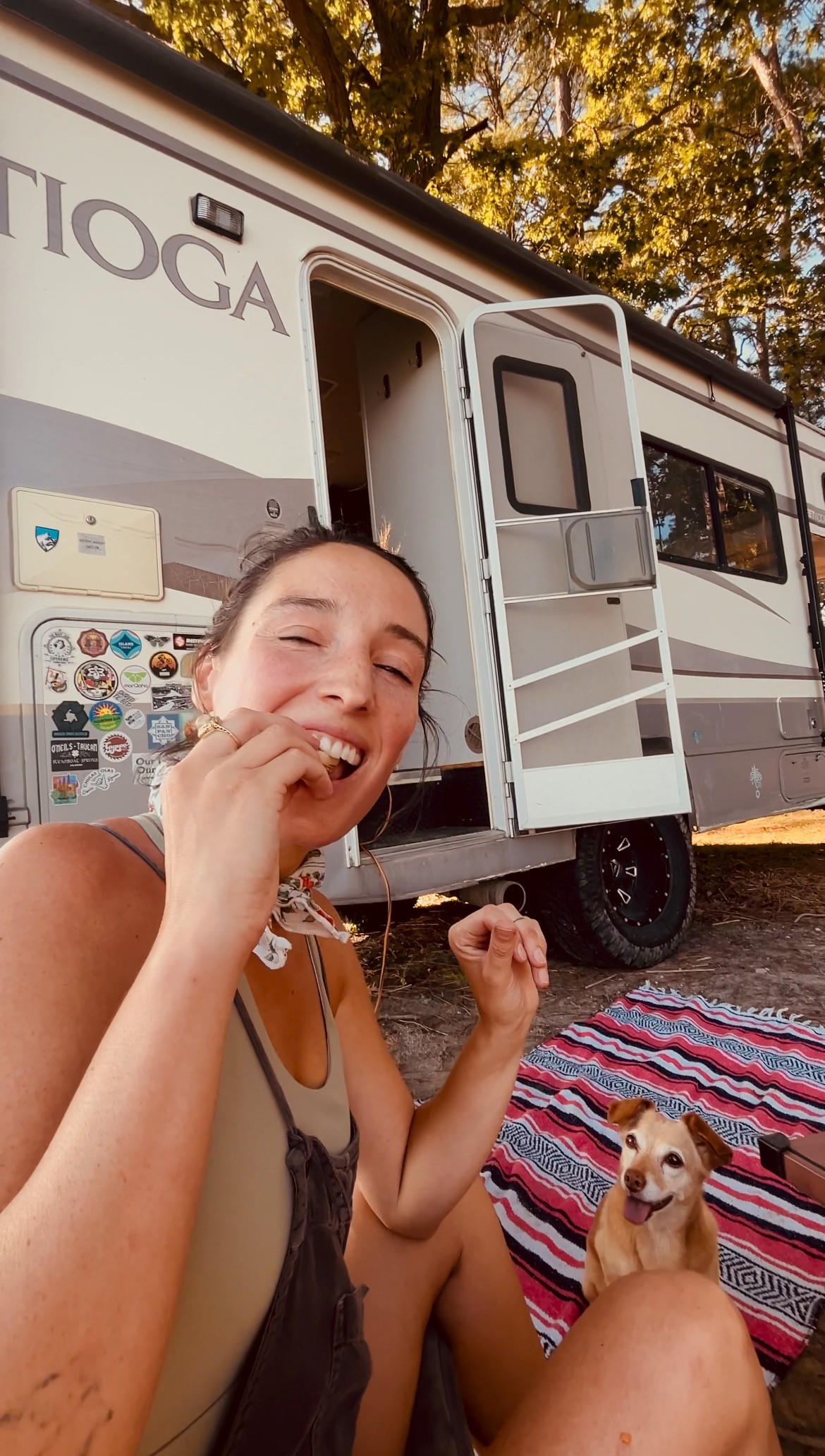
There is something wildly special about packing everything you need into a raft and disappearing down the river for a few days. No roads. No cell service. No schedules beyond making it to the next campsite before dinner.
We spent three days and two nights rafting Ruby-Horsethief Canyon on the Colorado River with five adults and two kids. It was equal parts beautiful, sandy, chaotic and completely worth it.

Ruby-Horsethief is often described as a beginner-friendly river trip, and compared with many multi-day rafting routes, it is. The 25-mile stretch from Loma, Colorado, to Westwater, Utah, is mostly flatwater with Class I and II sections. But beginner-friendly does not mean effortless. You still need a permit, a campsite reservation, the right safety and Leave No Trace equipment, enough drinking water, a shuttle plan and someone who knows how to row a loaded raft.
This guide covers everything we learned while planning our two-night Ruby-Horsethief rafting trip, including permits, raft rentals, our full food plan, what to pack and tips for making a multi-day river trip genuinely fun with kids.
Important: River conditions and regulations can change. Always confirm current requirements, weather, fire restrictions and river flow with the BLM and your outfitter before launching.

Quick Ruby-Horsethief Canyon Trip Details
River: Colorado River
Route: Loma, Colorado, to Westwater Ranger Station in Utah
Distance: Approximately 25 miles
Trip length: Commonly two to three days
Difficulty: Mostly flatwater with Class I and II sections
Our group: Five adults and two kids
Our itinerary: Three days and two nights
Permit: Required for all overnight trips
Best for: Families and newer rafters traveling with a capable rower and the correct equipment
Cell service: Spotty to nonexistent
Why Raft Ruby-Horsethief Canyon?
Ruby-Horsethief is one of those trips that feels much farther from civilization than it really is. The river winds between towering red canyon walls, sandy beaches, old cottonwood trees and striking black rock formations. The Black Rocks section exposes Vishnu schist that is about 1.7 billion years old, the same ancient rock found in parts of the Grand Canyon.
The slower pace is also part of what makes this a wonderful family river trip. There is time to snack, swim when conditions allow, watch for bald eagles and desert bighorn sheep, play at camp and let the kids settle into river life. There are no major whitewater rapids on the Ruby-Horsethief section, but wind, cold water, changing flows and the remote setting are all real considerations.
The BLM says family raft trips are best when flows have dropped below 5,000 CFS. Check the current flow, weather and advice from your outfitter rather than choosing dates based on air temperature alone. Higher spring flows can mean cold water, debris and very different conditions.

How to Get a Ruby-Horsethief Permit
An overnight camping permit is required year-round and must be reserved in advance through Recreation.gov. You do not need an overnight permit if you are completing the entire section as a day trip.
Reservations open on a daily rolling window two months in advance at 8:00 a.m. Mountain Time. Popular weekends and the most sought-after campsites can go quickly, so set a reminder and be logged into your Recreation.gov account before reservations open.
When you reserve, you are not just choosing a launch date. You must reserve a specific campsite for each night and camp only at those assigned sites. For a multi-night trip, make sure the second campsite is downstream from the first. Recreation.gov lists river mileage with the campsite information, which makes planning easier.

As of this update:
A $6 nonrefundable reservation fee applies to each permit.
From April through October, camping costs $20 per night for groups of one to five, $50 per night for groups of six to fourteen and $100 per night for groups of fifteen to twenty-five.
Kids 16 and younger camp free.
The maximum group size is 25, including adults, children and dogs.
Groups may bring no more than two dogs, and dogs count toward the permit total.
Black Rocks campsites allow only one camping night on Friday and Saturday nights.
You can print your permit seven days before launch. Wait to print until your group information is final because changes cannot be made after printing.
For our group of five adults and two kids, we fell into the six-to-fourteen-person camping tier, although the children themselves were free.
Tips for Getting the Campsites You Want
Decide on a few possible launch dates before the reservation window opens.
Study the campsite map and choose several first- and second-night combinations.
Write down the river mile for every campsite so you do not accidentally reserve the second night upstream from the first.
Log in early and have your group size ready.
If your first choices are gone, look for cancellations and less popular weekday dates.

Renting a Raft and Booking the Shuttle
We used Rimrock Adventures in Fruita for the rafting logistics. They rent multi-day oar rafts, additional river equipment and offer vehicle shuttle service for the Ruby-Horsethief route.
Their multi-day oar-raft packages can include the raft, frame, oars and spare oar, cooler, dry box, pump, repair kit, throw bag, life jackets and straps. Exact equipment depends on the boat you reserve, so ask for an itemized list and compare it with the current BLM requirements before leaving the shop.
Do not assume that one raft will carry your entire group. A multi-day trip requires a surprising amount of space for people, drinking water, food, camping gear, dry bags and the required toilet and fire equipment. Rimrock currently lists its largest oar raft for up to six people with gear. For five adults and two kids, talk with the outfitter about using two oar rafts or pairing a gear boat with another appropriate craft. Your final setup should match the group, flow level and experience of your rowers.
Rimrock can also move a vehicle from the launch area to the Westwater takeout. Reserve the shuttle in advance and carefully follow their instructions about spare keys, fuel, registration, insurance, tires and anything else that must be left in the vehicle.

Questions to Ask the Raft Rental Company
What size and number of boats do you recommend for seven people plus overnight gear?
What equipment is included with each raft?
Are child-sized PFDs available in the exact sizes we need?
Do you rent a portable toilet, fire pan, fire blanket and extra dry boxes?
Can you help us complete a final river-equipment check?
Where and when do we pick up and return the boats?
Can you deliver the boats to the launch or pick them up at Westwater?
How does the vehicle shuttle work?
What are the current flow and wind conditions?
How much rowing experience do you recommend for the expected conditions?

Our 3-Day Ruby-Horsethief Itinerary
Day 1: Rig, Launch and Settle Into River Life
Give yourself far more time than you think you need at the launch. Loading seven people, two nights of gear, food and water onto rafts is a serious game of Tetris. Every cooler, dry box, water container and dry bag must be secured so it cannot shift or disappear into the river.
Once we launched, the pace immediately changed. The first day was about figuring out where everyone fit, how often the kids needed snacks and bathroom stops, and how long our loaded boats actually took to cover a mile.
We kept dinner easy with pulled pork sandwiches and kale salad. Both could be prepared almost entirely at home, which meant very little chopping or cleanup at camp.

Day 2: A Full Day on the Colorado River
Our first river breakfast was biscuits and gravy. It was warm, filling and exactly the kind of breakfast that tastes better outside. We packed pasta salad in a large zip-top bag for lunch, which made it easy to store in the cooler, portion into bowls and seal back up without taking up space in a rigid container.
Day two is when everyone starts to understand the rhythm of the trip. Wake up, make breakfast, pack camp, load the boats, float, snack, stop, float again, unload everything and rebuild camp.
For dinner, we made meatball sandwiches with Caesar salad and kept macaroni and cheese available as an easy option for the kids. When feeding children outside, I always want at least one completely predictable food on the menu.

Day 3: Breakfast, Pack Up and Float to Westwater
For our final breakfast, we made eggs and bacon with bagels. Bagels are ideal river food because they do not crush as easily as regular bread and can double as a quick breakfast if the morning becomes hectic.
Leave enough time for the final miles, unexpected headwinds and de-rigging at the takeout. The trip is not finished when you reach Westwater. You still have to unload, sort wet and sandy equipment, return rental gear and reunite everyone with the shuttled vehicles.

Our Ruby-Horsethief Food Plan for 5 Adults and 2 Kids
The goal was to bring food that felt fun and filling but did not require hours of cooking or cleanup. We did as much prep as possible at home and used ingredients across multiple meals.

Breakfasts
Biscuits and gravy
Eggs and bacon
Bagels with cream cheese or butter
Fruit
Coffee, tea and hot chocolate
Lunches
Pasta salad packed in a large zip-top bag
Leftover sandwich ingredients
Crackers, cheese and salami
Fruit and cut vegetables
Lots of grab-and-go snacks

Dinners
Night one: Pulled pork sandwiches and kale salad
Night two: Meatball sandwiches and Caesar salad (The Best Camping Caesar Recipe >>>)
Kid backup: Macaroni and cheese
Snacks
Granola bars
Trail mix
Pretzels and chips
Jerky
Fruit snacks
Apples and oranges
Cheese sticks
Cookies
Electrolyte packets
A few special snacks reserved for the final miles of the day

River Food Tips
Prep and chop at home whenever possible.
Freeze meat and other dinner ingredients before packing. They help keep the cooler cold as they thaw.
Pack meals by day so you are not digging through the entire cooler.
Put frequently used snacks in a separate accessible container.
Choose sturdy bread, such as bagels or rolls, instead of soft sandwich bread.
Bring more snacks than you think your kids could possibly eat.
Avoid unnecessary packaging and remove cardboard before the trip.
Keep raw meat completely separated and sealed.
Bring enough drinking water for the entire group unless you have a reliable treatment plan appropriate for the river.
Pack every crumb, wrapper and food scrap back out.

What You Need for an Overnight Ruby-Horsethief Trip
This is not a casual campground packing list. Ruby-Horsethief is remote, has limited or no cell service and has no intermediate road-access takeouts before Westwater. Your group must be prepared to be self-sufficient.
Always use the current regulations included with your permit as the final authority. At minimum, plan around the following categories.
Required and Essential River Equipment
Printed overnight permit
Child-sized PFDs that fit correctly before launch
Spare PFD as required by current regulations
Oars or paddles plus a spare (will be provided with rental boats)
Throw bag with the required length of rope (will typically be provided with rental boats)
Boat repair kit
Air pump
Bailing device for any boat that is not self-bailing
Whistle or other required sound-producing device
River map
Portable, washable, leakproof toilet system for all solid human waste (Groover can be rented through rafting company)
Proper food storage, including bear-safe storage when required or advised
Bow line, perimeter line and enough straps to secure every item
Kids under 13 must wear their PFD while on the water. We treat life jackets as nonnegotiable from the moment the kids step onto the boat until they are safely on shore.

Camping Gear
Tent with stakes or sand anchors appropriate for your site
Sleeping bags suited to the overnight temperature
Headlamps with extra batteries
Shade tarp or shelter (beach friendly)
Extra cord and straps
Lantern or string lights
Warm layers for morning and evening
Rain jackets
Sun hats and warm hats
Camp shoes and closed-toe shoes
Kitchen and Food Gear
Camp stove and enough fuel
Lighter and backup ignition
Cooler or coolers
Dry food boxes
Drinking-water containers
Cookware and serving utensils
Plates, bowls, cups and silverware
Sharp knife and cutting board
Coffee setup
Biodegradable soap
Wash bins and dish-drying system
Handwashing station
Paper towels and reusable kitchen towels
Trash bags plus backups
Zip-top bags and reusable containers
Even biodegradable soap should not go directly into the river. Follow current BLM guidance for straining food particles, disposing of wastewater and keeping camp clean.
Personal Gear
Large waterproof dry bag for each person or family
Small day dry bag for sunscreen, layers and personal items
Quick-dry clothing
Swimsuit
Long-sleeve sun shirt
Sunglasses with a retainer strap
Reef-safe sunscreen
Lip balm with SPF
Personal medications
Toothbrush and toiletries
Small quick-dry towel
Insect repellent
Reusable water bottle for each person
Extra Gear for Kids
Correctly fitted PFD
Sun hat and sunglasses
Extra warm and dry clothing
More socks than seem reasonable
Familiar comfort item for bedtime
Small sand toys
Card game, coloring supplies or another compact camp activity
Kid-friendly water bottle
Easy-access snack bag
Child-specific medications and first-aid supplies
Backup shoes

Tips for Rafting Ruby-Horsethief With Kids
1. Start With an Experienced Rowing Team
The river may be mostly flat, but loaded rafts, afternoon headwinds, cold water and remote rescues deserve respect. At least one adult on each oar raft should be comfortable controlling a fully loaded boat. If your group does not have that experience, book a guided trip.
2. Test Every Child’s PFD Before the Trip
Do not wait until launch morning to discover that a borrowed life jacket rides up over your child’s face. Check the label, fit and condition, then have the child wear it before the trip so it feels familiar.
3. Make Snacks Reachable
Do not bury all the food under three layers of strapped-down gear. Keep a dedicated snack bag and water bottles accessible while the boat is moving. Hungry kids can turn a peaceful float into a crisis with impressive speed.
4. Pack One Complete Dry Outfit Separately
Put one warm outfit for each child in a small dry bag that stays easy to reach. Do not rely on the main clothing bag if someone gets wet and cold halfway through the day.
5. Build in Time to Play at Camp
Kids do not care how efficiently you cover river miles. Whenever possible, plan enough time for sand digging, rock exploring, imaginary games and simply being at camp.
6. Explain the Toilet Before You Launch
A portable river toilet can feel strange or intimidating to a child. Explain how it works before the trip, give them privacy and keep handwashing supplies close by.
7. Expect Sand Everywhere
There will be sand in the tent, sleeping bags, food bins and every possible fold of clothing. Pack with it in mind, keep tent doors zipped and accept that perfect cleanliness is not part of the experience.
8. Keep the Final Day Flexible
Afternoon headwinds can make the river feel much longer, especially between Black Rocks and Westwater. Start early, keep the kids fed and do not schedule a tight commitment immediately after your planned takeout time.

What We Would Do Again
We would absolutely choose a three-day, two-night itinerary again. Two nights gave us enough time to settle into river life without making the trip feel like a major expedition. We would also repeat the same basic food strategy: prep almost everything at home, use sturdy sandwich-based dinners and give the kids a simple backup meal.
The biggest lesson is that organization matters more than bringing fancy gear. Know where the sunscreen is. Label the dry bags. Keep snacks and warm layers accessible. Confirm what comes with the rental. Make a shared checklist so the fire pan, toilet, repair kit or first-aid supplies do not get left behind because everyone thought someone else packed them.
Ruby-Horsethief gave us the best kind of family adventure: enough logistics to feel like we earned it, enough wildness to pull us fully out of normal life and plenty of slow hours together on the river.
Ruby-Horsethief Canyon FAQs
Is Ruby-Horsethief good for kids?
Ruby-Horsethief can be a wonderful family rafting trip for prepared groups with an experienced rower, properly fitted PFDs, appropriate river flows and the required safety equipment. The BLM specifically notes that family trips are best below 5,000 CFS. Conditions can change quickly, so get current advice before launching.
Do you need a permit to raft Ruby-Horsethief?
You need an advance permit for every overnight trip. A permit is not required for day use, but completing all 25 miles in one day is a very different trip and still requires appropriate preparation.
How long does it take to raft Ruby-Horsethief Canyon?
Most groups take two or three days to float from Loma to Westwater. We chose three days and two nights, which worked well for our group of five adults and two kids.
Where do you launch and take out?
The standard Ruby-Horsethief route begins at the Loma boat launch in Colorado and ends at the Westwater Ranger Station in Utah.
Can beginners raft Ruby-Horsethief?
The section is often considered beginner-friendly because it is mostly flatwater with Class I and II sections. However, at least one capable rower per oar raft is important. Remote conditions, headwinds, cold water, high flows and a heavily loaded boat can make the trip challenging. First-time groups should consider a guided trip.
Is there cell service in Ruby-Horsethief Canyon?
Cell service is spotty to nonexistent. Download maps, permits and emergency information before leaving Fruita and do not rely on a phone connection for navigation or rescue.
Are campfires allowed?
Rules and seasonal fire restrictions can change. A compliant fire pan must be carried on overnight trips even if you plan to cook only on a stove. Check current BLM and county restrictions immediately before launch. If fires are allowed, contain the entire fire and all residue in the pan and pack out the cold ashes.
Can you bring a dog?
The permit system allows no more than two dogs per group. Dogs count toward the maximum group size and are charged like adults during the fee season. Consider heat, hot sand, limited shade, wildlife, boat space and whether your dog can safely handle multiple days on the river.
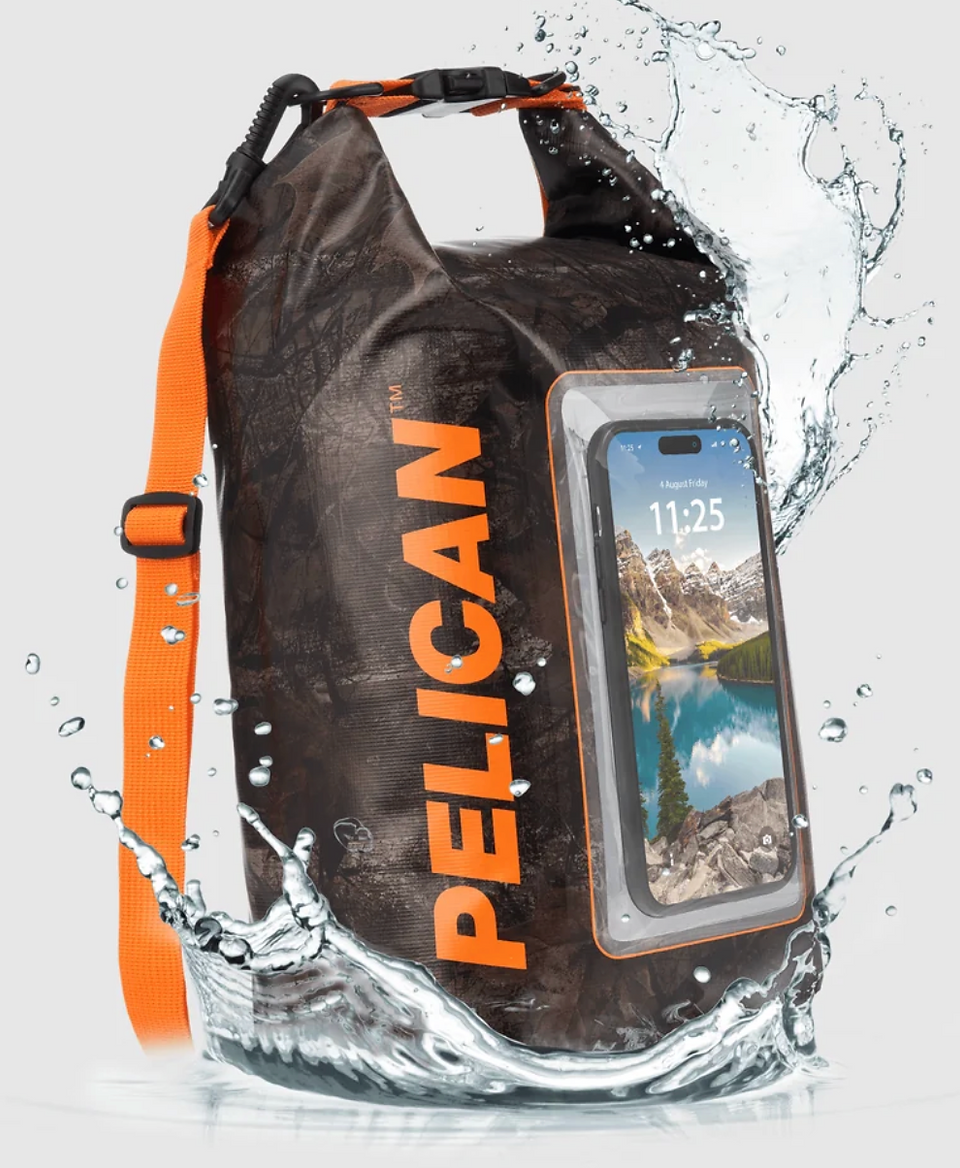
Dry Bah 
Jetboil Stove 
Camp Chair 
First Aid 
Croakies 
River Shoe
Helpful Planning Links
This post is based on our personal trip with five adults and two kids. It is not a substitute for current BLM rules, professional instruction or an honest assessment of your group’s river experience. Always check the permit, regulations, river flow, weather and fire restrictions before launching.


Comments